Everyone wants to “rank higher on Google.”
But here’s the reality: If you want to move up the rankings, you need backlinks.
Backlinking is one of the most misunderstood parts of SEO. Some businesses ignore it completely. Others chase as many links as possible without caring where they come from. Both of these approaches are wrong.
This guide breaks down what backlinks are, why they matter, and answers a common client question: “Do backlinks from low-traffic sites even help my SEO?” Let’s dig into this!
What Exactly Is a Backlink?
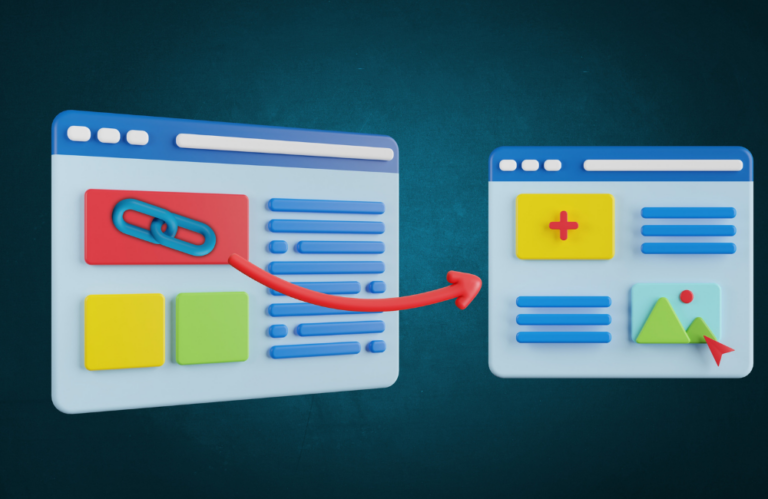
A backlink is when another website links to your site. That’s it. Easy!
But here’s why it matters: When another site links to yours, Google sees it as a vote of confidence. The link tells Google:
“This content is valuable. You should check it out.”
The more high-quality votes you get, the more Google trusts your site. And trust means higher rankings.
Example:
- A backlink from The New York Times – powerful.
- A backlink from Jane’s Hobby Blog – less powerful, but not worthless.
Backlinks are a core part of Google’s algorithm, and they carry major weight in determining who lands on page one and who gets buried in the search results.
Why Backlinks Are So Powerful
On-site SEO is about optimizing your own website. It’s speed, structure, keywords, and content. That’s the foundation.
But backlinks? That’s how you build real authority over time.
Think of backlinks as reputation points:
- You can tell people you’re the best sign company in town (via on-site SEO). You can gather reviews that tell people that other customers think you make high-quality signs.
- But when local architects, Yelp reviews, small businesses, and even news outlets say the same thing (via backlinks), that’s when Google believes you and pushes your site out to more relevant potential customers.
Example:
Imagine that a company has amazing content, but weak authority. Their competitors kept outranking them, despite having fewer blog posts.
We might build a backlink strategy using techniques like this:
- Local Citations & Listings: Build credibility with consistent business info across directories and maps
- Digital PR & Media Coverage: Earn authority by getting featured in news outlets and industry press
- Community & Organizational Links: Gain backlinks from sponsorships, events, and local partnerships
- Vendor & Partner Links: Leverage relationships with suppliers and complementary businesses for natural authority links
- Guest Contributions: Share expertise in select blogs, roundups, or Q&As to boost visibility
- Resource & Content Links: Create guides and tools so useful that people can’t help but link to them.
This backlink strategy would give Google the signal boost that their content needed.
Client Question: Do Backlinks from Low-Traffic Sites Still Help?
We hear this all the time:
“Do backlinks from small blogs or low-traffic websites even matter?”
The short answer is: sometimes, yes.
Here’s why:
Relevance Beats Traffic
If you’re doing marketing for a restaurant, a backlink from “The Best Italian Restaurants in Fort Collins” with 300 monthly visitors is more valuable than a random link from a fashion blogger with 50,000 monthly visitors. Google cares more about topic relevance than raw traffic numbers.
Variety Looks Natural
A healthy backlink profile isn’t just made of big, high-authority sites. It’s a mix:
- A few heavy hitters
- Several mid-tier publications
- Plenty of smaller, niche-relevant sites
Why? Because Google likes natural growth. If you only had backlinks from Forbes, The Wall Street Journal, and CNN, it would look suspicious.
Authority Matters More Than Volume
Ten relevant, high-quality backlinks will outperform 200 spammy links from random low-quality sites.
A good rule of thumb: Prioritize relevance and authority over traffic.
So yes, backlinks from low-traffic sites can still help, especially if they’re in your niche and part of a diverse, balanced strategy.
How to Build Backlinks (the Right Way)
Not all backlinks are created equal. Forget spammy link farms and cheap Fiverr gigs. Here’s what actually works:
- Guest Posting – Write valuable content for reputable sites in your industry.
- Digital PR – Get featured in news articles, podcasts, and expert roundups.
- Resource Content – Create guides or tools so good that people want to link to them.
- Partnerships – Trade content or link swaps with other relevant businesses.
- Local Listings & Citations – For local SEO, consistent listings boost credibility.
The goal isn’t just more backlinks, it’s better backlinks!
Our Final Take
Backlinking is one of the most powerful ranking signals in SEO, but it’s also one of the most misunderstood.
- Quality beats quantity
- Relevance trumps raw traffic
- A diverse backlink profile looks natural and builds trust
That doesn’t mean that backlinks are their own strategy. When you’re building your marketing strategy for your business, backlinks are part of an overall SEO strategy that supports long-term success in getting your business to the top of the search results. If you have backlinks without good on-page SEO, your backlinks aren’t going to be as successful. It’s the comprehensive strategy that makes the biggest impact.
At Brillity Digital, we build backlink strategies that boost your authority, increase visibility, and drive rankings that actually lead to customers, not just clicks! If you’re ready to grow your SEO the smart way, let’s talk!